Expanding your warehouse is an exciting sign that your business is growing, but it also brings a new set of technical challenges. While adding more square footage or new machinery sounds simple, your building’s electrical system must be able to keep up with that growth. If the power isn't handled correctly from the start, you could face expensive delays or safety issues down the road. Understanding what your facility needs to stay powered and compliant is the first step toward a seamless expansion.
Evaluating Your Current Power Capacity
Before you add a single new piece of equipment, you need to know if your current electrical system can handle the extra work. Many older warehouses were built for basic storage, not for the high-power needs of modern industrial automation or heavy machinery. An overloaded system can cause frequent tripped breakers or even damage your expensive equipment. A professional look at your main panel is usually the starting point for any expansion project.
A thorough capacity check helps you avoid surprises by looking at these specific areas:
- Main Service Panels: We check if your current panel has enough open space and amperage to feed new sections of the building.
- Load Calculations: This is a mathematical check to ensure the total power used won't exceed what the utility company provides to the site.
- Circuit Mapping: Understanding where your current power goes prevents us from accidentally overloading a specific area of the warehouse.
Planning for Modern Machinery and Automation
Adding new conveyor belts, packaging machines, or robotic arms changes your power needs instantly. Modern machines often require very specific types of power that a standard wall outlet just cannot provide. If your expansion includes specialized tools, you may need to look into custom control systems to manage how that equipment starts and stops. Properly planning for these machines ensures that turning on one big motor doesn't cause the lights to flicker across the entire office.
To keep your floor running smoothly, consider these technical requirements for new equipment:
- Dedicated Circuits: High-draw machines should have their own direct line to the power source to prevent interference.
- Voltage Consistency: Some sensitive electronics require clean power that stays at a steady level without spikes.
- Proper Grounding: This is a safety essential that protects both your employees and your machinery from electrical faults.
Lighting and Safety Standards
A larger warehouse means more area to light, but simply adding more bulbs isn't always the best answer. Modern industrial lighting is much more efficient than the old-fashioned high-pressure sodium lamps used in the past. Moving to LED systems during an expansion can actually help lower your monthly energy bills, even though you are covering more space. Additionally, safety codes require very specific placement for emergency exit signs and backup battery lighting in new sections of the building.
When laying out your new lighting plan, keep these efficiency goals in mind:
- Zoned Lighting: Using sensors to turn off lights in empty aisles can significantly reduce waste.
- Task Lighting: Placing extra light exactly where workers are packing or inspecting items improves safety and accuracy.
- Compliance Check: Ensuring your new layout meets the latest local building codes avoids fines and inspection failures.
Integrating Green Energy and Future Needs
Many businesses are now looking at green energy options during an expansion to help offset the cost of increased power use. Installing solar panels or preparing for electric vehicle charging for your delivery fleet are smart ways to future-proof your facility. Planning for these during the construction phase is much cheaper than trying to add them later. It allows you to build the necessary power services directly into the foundation of the new expansion.
If you are considering a move toward sustainability, you might want to explore:
- EV Infrastructure: Running the conduit for chargers now saves you from tearing up your new concrete later.
- Solar Readiness: Ensuring your roof and electrical panels are ready to accept a solar array in the future.
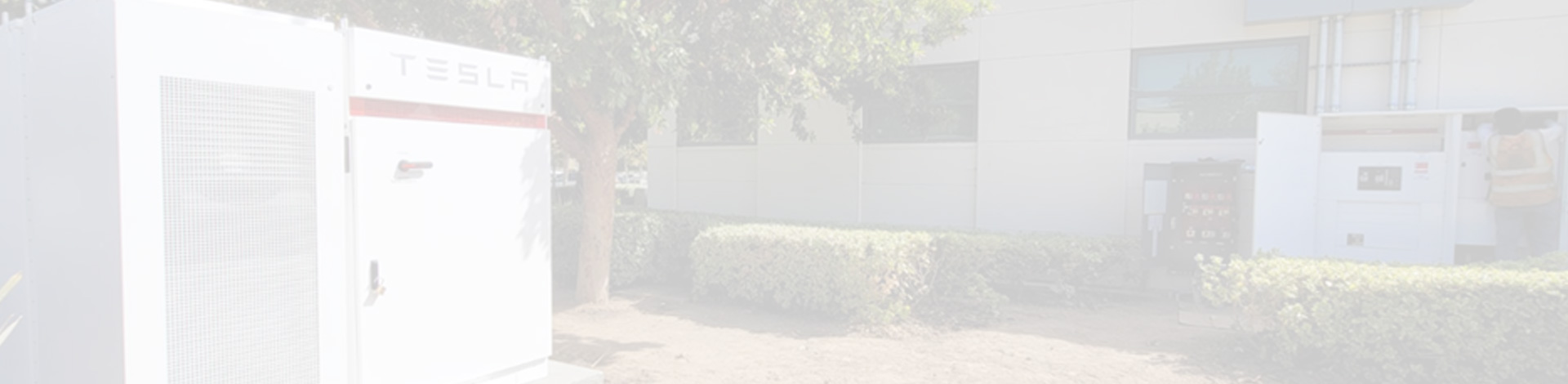
- Battery Storage: Using a battery energy storage system to save power for use during peak times when electricity is most expensive.
Planning Your Successful Expansion
Expanding a commercial warehouse requires a careful balance of upgrading old systems while integrating new technology. From initial load calculations and main panel upgrades to installing high-efficiency lighting and specialized machinery circuits, every step must be handled with precision to avoid costly downtime. By addressing your power needs during the planning phase, you ensure that your new space is safe, energy-efficient, and fully compliant with local building codes. Taking a proactive approach to your electrical infrastructure allows your business to scale smoothly without the frustration of unexpected power failures or expensive retrofits.
Navigating these requirements is easier when you have an expert partner to handle the technical details. At Southwest Industrial Electric, we specialize in new construction and project design and engineering specifically tailored for industrial environments. We work alongside your team to map out a power distribution plan that supports your new square footage and accommodates future growth. Our technicians ensure that every wire and control system is engineered for maximum reliability, giving you a solid foundation for your expanded operations.
Don't let electrical hurdles slow down your company's growth. Contact us today or call (323) 215-1273 to discuss your warehouse expansion needs with a specialist who understands industrial power.