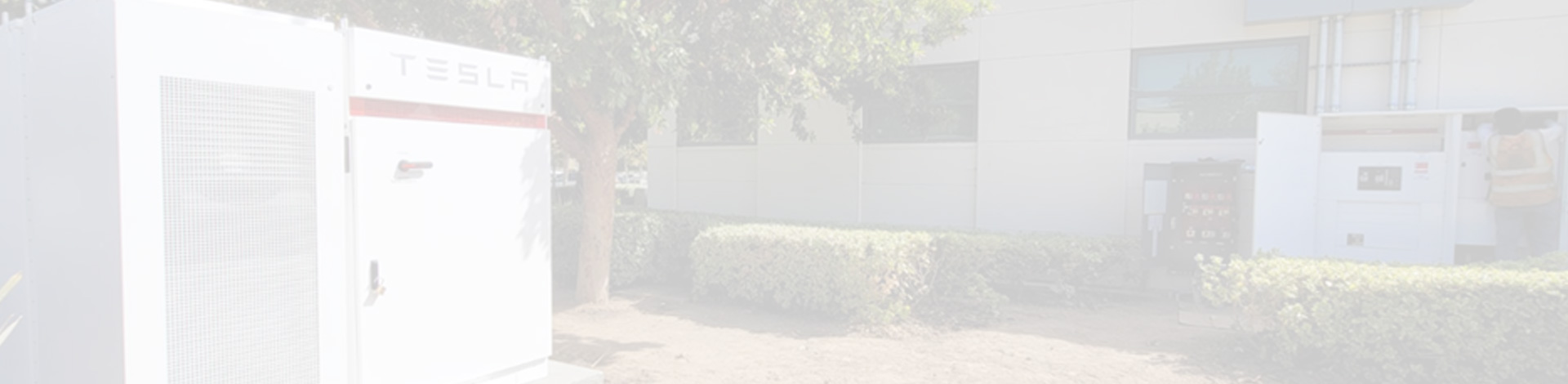
A single Los Angeles address, 5420 Sunset, received 127 Wall Connectors in one Tesla Wall Connector for Business deployment. That number tells you something about where commercial EV charging is heading in this market, and how fast. Most facility managers we talk with understand that EV charging isn’t optional planning anymore, but very few have a clear picture of what a commercial installation actually involves versus plugging a unit into a garage wall at home.
The commercial program works differently from a residential purchase, and the electrical infrastructure behind it is a different discipline entirely. At Southwest Industrial Electric, we’ve been handling commercial and industrial electrical work throughout Southern California since 1988, and we bring that same load analysis, design, and installation capability to every Tesla charging installation we scope. Here’s what a Los Angeles facility manager needs to understand before committing to a deployment.
What the Tesla Wall Connector for Business Program Actually Is
This is Tesla’s formal commercial charging initiative, structured differently from buying a Wall Connector through a retail channel. Businesses order through Tesla’s commercial portal, are paired with a Tesla Certified Installer, and upon commissioning gain access to the Tesla Portal for ongoing site management. That sequence matters because commissioning through a certified installer is what unlocks the program’s features, including app map visibility and revenue billing.
The hardware itself is the Universal Wall Connector, which delivers Level 2 AC charging at up to 11.5 kW and 48 amps, adding roughly 44 miles of range per hour. It supports both the NACS connector and J1772 via a built-in adapter, meaning it serves Tesla and non-Tesla EVs from the same unit. Tesla targets five business categories with the program: apartments, workplaces, hospitality, fleet, and retail. Each has a different primary use case. Overnight dwell for residents, workday dwell for employees, or shorter-duration guest access at retail and hospitality sites.
Why Commercial Installations Are a Different Undertaking
Facility managers often assume a commercial installation is just a residential one at greater scale. It isn’t. A residential Wall Connector typically goes on a single dedicated circuit with a panel that already has headroom. A commercial deployment starts with a formal electrical load analysis before a single unit is placed: existing service capacity, panel headroom, the number of units planned, and how charging load interacts with the building’s baseline demand all factor into the design.
The NEC continuous load rule generally requires a circuit sized at 125 percent of the charger’s maximum output. For a 48-amp Wall Connector, that typically means a dedicated 60-amp breaker, with conductor sizing determined by applicable ampacity tables and installation conditions. At one unit, that’s straightforward. At ten or twenty units, each with its own dedicated circuit, the math compounds quickly into a service upgrade conversation.
Tesla’s Wall Connector carries a 12-month warranty for commercial use, compared to 48 months for residential. That gap reflects the difference in duty cycle: a commercial unit charges multiple vehicles across multiple shifts, not one vehicle overnight. The shorter warranty term puts a premium on getting the installation right the first time. Proper load analysis, correct conductor sizing, and a clear understanding of how the units will actually be used all factor in.
How Commercial Sites Deploy More Units Without a Full Service Upgrade
One of the most useful features of the commercial program for Los Angeles properties is the load-sharing capability built into the Wall Connector platform. Running individual 60-amp circuits to every stall in a parking structure isn’t always feasible, and a full service upgrade to accommodate the aggregate load can be expensive and slow, often requiring coordination with both LADBS and the utility.
Group Power Management
Group Power Management allows up to six Gen 3 Wall Connectors to share available power across all active units, with load distributed wirelessly. A facility can deploy more chargers than its current service would support if each stall had its own dedicated circuit. For properties where electrical infrastructure is constrained, this changes the economics of a multi-unit deployment significantly.
Dynamic Power Management
Dynamic Power Management is a separate feature designed for single Wall Connector installations. Using a Tesla-approved power meter, it continuously monitors the site’s total electrical draw and adjusts the Wall Connector’s charge rate in real time, preventing the charger from pushing the facility past its service capacity during peak building load. For commercial properties where demand charges are already a cost management priority, this feature has real financial value for single-unit or early-phase installations.
Tesla App Visibility & Site Revenue: What Property Managers Need to Know
Getting listed in Tesla’s in-vehicle navigation and on the Tesla app charging map isn’t automatic. To qualify, a site must be properly commissioned by a Tesla Certified Installer through the Tesla One app, have reliable Wi-Fi connectivity at each unit, and meet Tesla’s public access configuration requirements. Skip any of those steps and the site won’t appear to drivers searching for nearby charging, which largely defeats the value proposition for hospitality and retail deployments.
Revenue-generating sites are managed through the Tesla Portal, where property owners set their own charging rates. Tesla handles billing and distributes proceeds to the property, minus a $0.03 per kWh network fee that covers support and processing. Sites that offer free charging to guests aren’t eligible for revenue billing but can still gain Tesla app map visibility, which for hotels and retail centers can influence guest preference and drive traffic in a market where EV adoption is accelerating steadily.
California Incentives Worth Checking Before You Start
The federal 30C Alternative Fuel Vehicle Refueling Property Credit for commercial EV charger installations expired June 30, 2026. California doesn’t have a statewide replacement credit, which makes utility-level and state agency programs the primary incentive pathway for Los Angeles commercial properties right now.
Two programs are worth reviewing before you finalize a project scope:
- Southern California Edison Charge Ready Light Duty: This program supports Level 2 charging infrastructure at workplaces, apartments, and public locations in SCE territory, which includes much of Los Angeles. SCE stopped accepting new Charge Ready Light Duty applications as of mid-2026, so confirm the current status and any successor programs directly with SCE before planning around it. A separate SCE program, Charge Ready Transport, covers fleet depot charging infrastructure.
- CALeVIP: Administered by the California Energy Commission, CALeVIP offers project-based incentives for publicly accessible EV charger installations. Property owners, businesses, and contractors can apply directly. Eligibility requirements and program focus can shift as funding is allocated, so confirm scope with CALeVIP before counting on it for your specific installation type.
Incentive programs at the utility and state level change frequently. Running a load analysis and getting a project estimate before your application gives you accurate numbers to work with rather than ballpark figures that may not reflect your site’s actual requirements.
Before You Order Hardware
The planning sequence matters more than most facility managers expect. Site assessment and load analysis come before hardware decisions, not after. The number of units you can practically deploy, the power management configuration that fits your service capacity, conductor and breaker sizing, panel modifications, conduit routing through your structure, and utility coordination all shape what you order and how the project gets budgeted.
A commercial Wall Connector deployment done well positions a Los Angeles property for the next several years of EV demand growth. Done without a proper electrical assessment, it creates constraints that are expensive to undo. We provide free estimates for commercial EV charging projects throughout the Los Angeles area. If you’re ready to scope a deployment, call us at (323) 215-1273.